Part of PsychArmor’s Caring Minutes Series
Recorded: March 23, 2026
As part of PsychArmor’s Caring Minutes series, we continue our commitment to building a national culture of compassionate care for Veterans and their families through the end of life. These conversations are designed to move beyond awareness and into action, offering practical tools and shared language for those supporting Veterans in deeply personal moments.
In April, we center on a simple but powerful question: What matters most?
This question shapes how individuals experience care, how families make decisions, and how providers support dignity and meaning through the end of life. It also reflects the purpose of National Healthcare Decisions Day (April 16), which encourages individuals, families, and communities to begin or revisit these conversations before a crisis occurs.
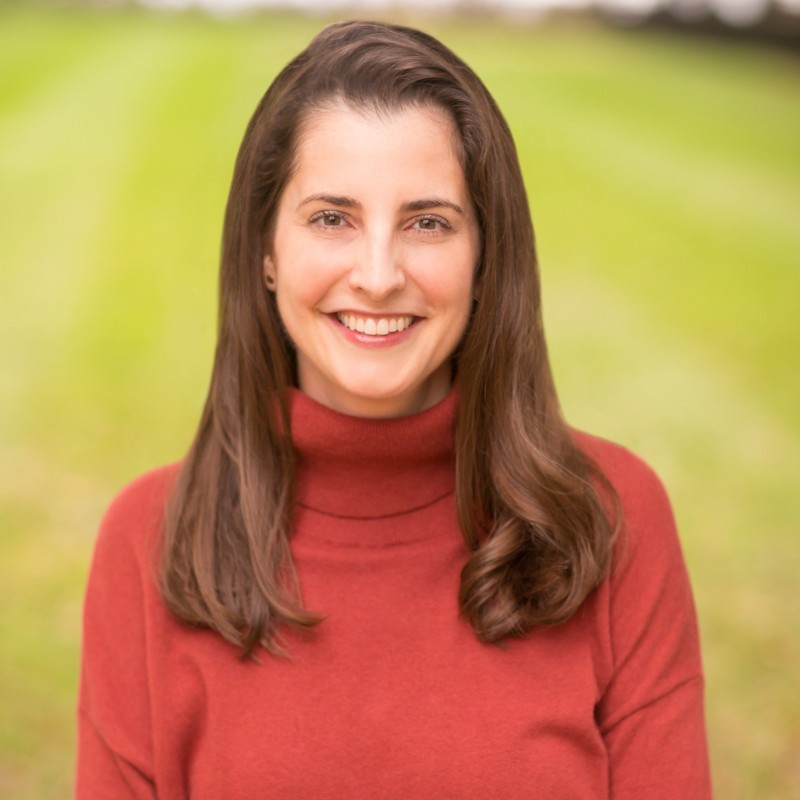
In this Caring Minutes conversation, PsychArmor’s Jamie Regalia speaks with Kate DeBartolo, Senior Director of The Conversation Project. Together, they explore how shifting from what is the matter to what matters most can transform care and strengthen connection, especially within military and Veteran connected communities.
We also invite you to continue exploring the tools and guidance shared throughout this conversation. Visit the Continue the Conversation section below for a curated list of resources, including materials from The Conversation Project like the What Matters to Me Workbook, designed to help you start and navigate these important discussions.
Starting the Conversation: What The Conversation Project Is and Why It Matters
PsychArmor:
What is The Conversation Project, and why do these conversations matter, especially when facing serious illness or the end of life?
Kate DeBartolo:
“The Conversation Project is a public engagement initiative of the Institute for Healthcare Improvement, with a goal to help people share their wishes for care through the end of life so those wishes can be understood and respected. We’re really trying to help with culture change and shifting the norms so people realize these are conversations you can have at the kitchen table, not the ICU. You can have them early. Often we joke that it should have been the ‘conversations’ project, because this isn’t a one-time activity. It’s about normalizing these discussions and making sure people have tools available when they’re ready.
“We’re particularly focused not just on legal documents. Too many people think, ‘I have to wait for a doctor or a lawyer,’ or ‘I did that years ago.’ But this is really about talking, not getting stuck in medical hypotheticals.
“It’s also a shift from focusing on death and dying to asking, ‘How do you want to live your life through the end?’ And a shift away from ‘what’s the matter with you’ to ‘what matters most to you.’ It’s about listening, asking people what matters, and not always telling them what we think they should do.”
A Shift in Perspective: From What Is the Matter to What Matters Most
PsychArmor:
The Conversation Project encourages us to focus not just on what’s the matter, but on what matters most. Why is that shift so important in healthcare conversations?
Kate DeBartolo:
“People often try to think through all the hypotheticals. ‘Am I going to have cancer? Am I going to be in an accident?’ Or they look at what happened to someone else and assume that’s what will happen to them. But what we’ve found is that if someone needs to speak on your behalf, it’s much more helpful for them to understand your values. Are you worried about too much intervention, or too little? Do you want someone to follow your wishes exactly, or do what feels right in the moment? It becomes less about a one-time decision and more about an ongoing conversation, because what matters to us can change over time.
“I remember a clinician sharing a story about a patient who had said he didn’t want a lot of intervention. But a few weeks later, he was in the hospital and had changed his mind. When asked why, he said, ‘My first great grandchild is due in two weeks. I’m willing to do anything to meet that baby–and then we can go back to the original plan.’ That’s what this is about. Not a one-time decision, but understanding what’s happening in your life, what matters to you, and what’s changing.”
Military and Veteran Communities: Why These Conversations Matter More
PsychArmor:
From your perspective, why are these conversations especially important for military- and Veteran-connected communities, where service, identity, family roles, and lived experience can shape how people think about care and decision-making?
Kate DeBartolo:
“These experiences can really shape what dignity, comfort, or control mean to someone facing serious illness.
“Military life often includes frequent transitions. Families are navigating moves, changes in roles, and different care systems. Talking early helps ensure that people know what matters to you, no matter where you are.
“We’ve also seen that who you want involved in these conversations can look different. Some people have military buddies who are really important to them. We don’t pass judgment on who someone wants to be their healthcare proxy. It doesn’t always have to be a spouse or the oldest child. There can be other people in your life who you trust to speak for you."
“It’s more than a job. It’s an entire lifestyle. Helping people understand how that fits into their care and decision-making is really important.
“And having people who understand that experience and can speak that language with you can make these conversations easier.”
Breaking the Silence: What Gets in the Way and What Helps
PsychArmor:
What are some of the barriers that keep families, caregivers, or even healthcare providers from starting these conversations early and what helps make them more approachable?
Kate DeBartolo:
“People often don’t start these conversations because they’re trying to be kind. They’re worried about upsetting someone. Older parents don’t want to upset their children, and children don’t want to upset their parents. But generally, when people do have these conversations, they feel a lot of relief afterward.
“Some folks think, ‘We’ll get to that later.’ But one of the things about National Healthcare Decisions Day is this idea of having this be an annual conversation, not something you just do once and forget about."
Leading by Example: Starting with Your Own Wishes
PsychArmor:
Does it help to start with your own wishes first?
Kate DeBartolo:
“It gives you such an easier opening. You can say, ‘I was thinking about this for myself, and I realized I hadn’t done this. I want to be sure I understand what you would want.’ And it becomes less about something far off in the future and more about the present. Asking, ‘What would you want right now?’ can make it feel more approachable.
“For some people, it’s easier to start with something simple, like identifying a healthcare proxy. If you couldn’t speak for yourself, who would you want to make decisions for you? Or saying, ‘If something unexpected happened and you needed someone to speak for you for a few days, what would you want me to know?’
“It’s really important to focus on current wishes, not trying to predict 10 or 15 years down the road. What would you want with your current state of mind and body?And when people give broad answers like ‘do everything’ or ‘pull the plug,’ it can be helpful to ask them to unpack that a little more."
Beyond Paperwork: Why Conversations Matter More Than Documents Alone
PsychArmor:
How should people think about advance directives and documentation?
Kate DeBartolo:
“There are a lot of clinicians who would say they’d rather have a family come in all on the same page without a legal document in place, because they’ve had these conversations and they know what their loved one would want, rather than a family coming in with disagreements and some really old documentation.
“I don’t want to dismiss the importance of legal documentation. It matters. But it doesn’t do much good to fill out a form and have it live in a filing cabinet that nobody knows about. People will say, ‘Oh yeah, I did that. It’s in a safety deposit box at the bank.’ And it’s like, that’s not going to be useful if you haven’t told people what wishes you put in there. It’s really important that documentation is paired with a discussion, so people understand what those wishes are and can honor them.
“This is especially important for people who may not have a traditional decision-maker in place. There’s a growing population of solo agers or individuals who may not have a spouse or children, or who have very clear opinions about who they do or don’t want involved in their care. In those cases, documentation becomes even more important—but again, only if people know about it.
“At the end of the day, this is about making sure that if someone has to speak on your behalf, they’re not guessing. They understand what matters to you.”
A Moment to Revisit: Understanding National Healthcare Decisions Day
PsychArmor:
April 16 is National Healthcare Decisions Day. What do you hope individuals, families, and communities understand about this day, and how can they use it as an opportunity to begin or revisit these conversations?
Kate DeBartolo:
“We want people to have these conversations early and often, before a crisis. Think of it as an annual revisit. Are my answers still the same? Has something changed?
“It’s also an opportunity to bring this into your community and help normalize it.”
Tools to Get Started: Resources That Make Conversations Easier
PsychArmor:
What resources from The Conversation Project would you most recommend to military families, caregivers, community leaders, or healthcare teams who want to start having these conversations in a more meaningful way?
Kate DeBartolo:
“I would say to check out theconversationproject.org. That’s where you’ll find a lot of personal stories and blogs people have shared. Everything from ‘here’s exactly what I want if I get dementia’ to ‘please trim my upper lip hairs and pluck my chin hairs if I’m there.’ There are also stories tied to moments like Father’s Day that really show why this matters.
“That’s also where all of our free tools live. Everything is free, available in multiple languages, and we have audio guides as well.
“We also have resources for people who want to bring this into their communities. We heard from individuals and organizations across the country asking, ‘Can I bring this to my workplace, my congregation, my community?’ So we created tools for what we call community champions. We really want to help people bring these conversations to where others live, work, and gather, and feel confident doing it.
“And I would also say to follow us on social media, especially Instagram and Facebook. We’ve been sharing these ideas in more bite-sized ways, similar to micro-learning, so people can keep learning and get comfortable over time.”
What You Hope People Take Away
PsychArmor:
What do you hope people take away from this conversation?
Kate DeBartolo:
“To do it yourself first. You might be reading this and thinking, ‘I really need to bring this up with my uncle or my dad or my grandfather.’ But you understand so much more about what these conversations are like when you’ve thought about your own wishes first.
“And I think the other thing is to keep an open mind. We hear from so many people that as soon as they stopped telling someone what they thought they should do and started asking questions, that’s when the other person became more comfortable with the conversation.”
Continue the Conversation
This interview is part of PsychArmor’s Caring Minutes series, aligned with National Healthcare Decisions Day on April 16.
👉Start the Caring for Veterans Through the End of Life course
👉Explore additional PsychArmor courses
👉Listen to Kate’s full conversation on the Behind the Mission podcast.
Explore resources from The Conversation Project, including the What Matters to Me Workbook, Your Conversation Starter Guide, My Health Checklist, and continue learning through PsychArmor’s podcast and training library.
Start the conversation today. Download the workbook and share it with someone who matters to you.