Part of PsychArmor’s Caring Minutes Series
Recorded: May 6, 2026
As part of PsychArmor’s Caring Minutes series, we continue our commitment to building a national culture of compassionate care for Veterans and their families. These conversations are designed to move beyond awareness and into action, offering shared language and meaningful perspective for those who support Veterans in deeply personal moments.
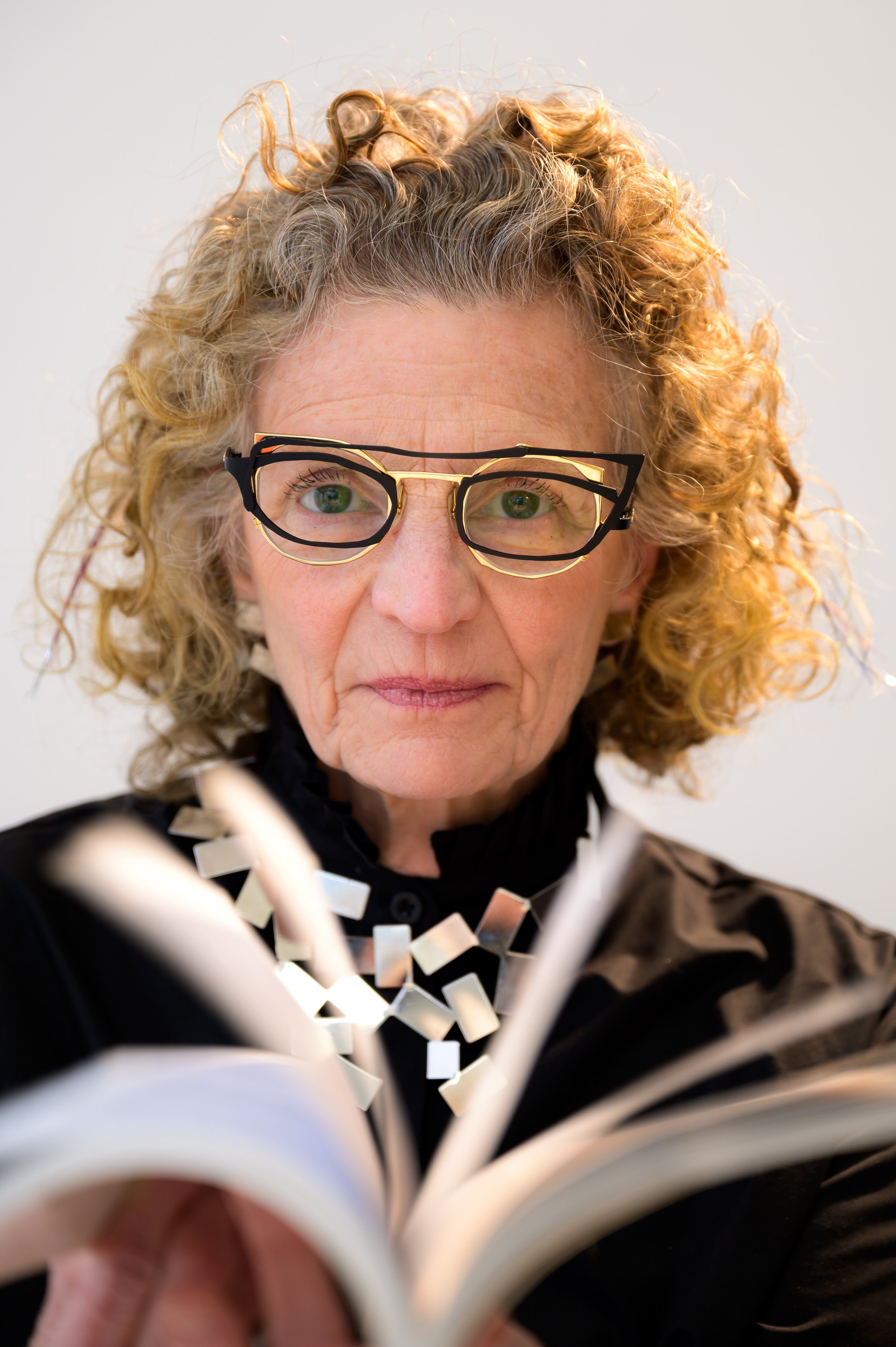
In this Caring Minutes conversation, PsychArmor's Jamie Regalia speaks with Elizabeth Coplan, founder of Grief Dialogues and creator of In Honor, an immersive theater experience centered on military and Veteran communities. The conversation arrives during Military Appreciation Month and Memorial Day, while also marking the 10th anniversary of Grief Dialogues—a decade of using storytelling, theatre, and community conversation to explore grief, healing, and human connection.
At its heart, Elizabeth’s story is about gratitude: what becomes possible when communities intentionally pause to honor those who served, and the families who continue carrying their stories forward. It is also a powerful reminder that for many Veterans, a lifetime shaped by service and stoicism can make receiving that gratitude deeply complex. Through Grief Dialogues: In Honor, space is created for both truths to exist—honor and grief, remembrance and reflection, service and humanity.
Finding the Words: How Grief Dialogues Began
Can you share what first led you to create Grief Dialogues? What was the “why” behind this work?
Elizabeth Coplan:
“The ‘why’ was actually my cousin’s death from ovarian cancer. It was the third death that year that I had witnessed. My sister and I were by her bedside in her last days. And I wanted to talk about my experience of being with her during that time. But nobody wanted to hear my story. Nobody.
“Some theater friends encouraged me to write a short play. I did. I started submitting it to short play festivals and contests, and I started winning. And each time, literally each time, when people knew I was the playwright, they would come up to me afterwards and spend the next 20 minutes telling me about their own story.
“I realized it wasn’t my brilliant writing. It was that I was willing to share my story, which gave everyone else permission to share their story.
“So I started contacting playwright friends, gathering different voices and scenarios, and we built Grief Dialogues. We opened August 26th, 2016. We’ve done programs at the University of Washington medical school, for hospice workers, for Virginia Mason Hospital. And then February of 2020 happened, and you can imagine what came next.”
Honoring My Dad: How Personal Loss Became a Mission for Veterans
What inspired the creation of In Honor and its focus on the military and Veteran communities?
Elizabeth Coplan:
“What spurred it was my dad. I grew up as a military kid. He was [in the] Air Force. And I had been wanting to do something around a play called Memorial Day by Leilani Squire. I just love that play so much.
“One of my pet peeves is ‘Happy Memorial Day.’ Do you really know what Memorial Day is all about? While the numbers are devastating of the actual men and women who died on the battlefield, I would honestly say that number should be doubled, because of the Veterans who died because of the battlefield. That was my dad.
“So in honor of my father, we did our first Memorial Day event. And when we were invited to do a show at Cape Cod around Veterans Day, we decided to call it In Honor. It is strictly about Veterans and their families, and the losses tied to service, on the battlefield, by suicide, and every loss in between.”
More Than a Seat in the Dark: How Immersion Changes Everything
In Honor is an immersive theatre experience. What does that mean to you, and how does immersion deepen the way audiences engage with grief, service, and remembrance?
Elizabeth Coplan:
“My director, Dani Davis, is Tony-nominated and Emmy Award-winning. She said, ‘You’ve really got to give them a reason to get up off their couch.’ She didn’t want audiences just sitting in the dark. So she made it immersive.
“People have agency to walk around, to leave if they’re really uncomfortable, to sit in a quiet area if they want. We also have an on-site grief counselor. We wanted people to have as much access and agency as they wanted, or didn’t want.
“We have the memorial ribbons, representative of all the different colored military ribbons, purple for Purple Heart and so forth. As people come in, we encourage them to write their loved one’s name and pin it to whatever ribbon. Last night, at first there were like five names. Then I looked over and there were 25. By the time the show was over, there was hardly any space left.
“We also have the 'Bottle of Grief' art installation. This allows us to externalize our grief, witness it, and give it a visible place outside ourselves without denying it. It’s taking what’s “Bottled up inside” and making it visible, and on display for conversations and dialogues”
The Weight Beneath the Silence: Stoicism and What Veterans Carry
In your experience, what often goes unspoken when we try to honor Veterans and their families?
Elizabeth Coplan:
“I grew up in the military, and my dad’s saying was ‘Straighten out and fly right.’ You didn’t express emotion, certainly not weakness, certainly not crying. Those in the military or first responders who need to be strong for other people, that gets in the way of their own grief. It puts a cap on their own grief until such time as they can fall apart, and hopefully nobody sees them.
“Watching grown men, big, hearty grown men, stand up and talk about their son who died from suicide while in Afghanistan. These men are broken on the inside. And in this setting, they feel comfortable enough to show it, and to receive the support of people around them, total strangers for the most part, just being there for each other.
“In In Honor, we have a play, a two-hander, where one character is the wife of a serviceman who died, and the other is a serviceman who was in the war but didn’t die. It validates both viewpoints. These two people learn patience and understanding and collaboration by the end. That one gets me every time. I wish we did more of that, not just in the military. I wish we all did more of that.”
Over My Shoulder: How Working with Veterans Brought Her Father Home
What have you learned from working with Veterans and their loved ones that continues to stay with you?
Elizabeth Coplan:
“My dad is now on my mind all the time, in a good way. He died in 1996. My boys really didn’t get to know him very well. And I just feel like he’s come back. He’s over my shoulder saying, ‘Good job.’
“People may be gone, their physical bodies may be gone, but they live on. And now, 30 years later, my dad’s making a big comeback. That’s kind of how I feel.
“The sadness and emotion that started to come up as we were doing In Honor surprised me. That’s when I realized, oh, I know why my dad’s back. In a good way.”
More Than a Holiday: What It Really Means to Honor Someone Who Served
As we recognize Military Appreciation Month and Memorial Day, what does meaningful honoring look like in practice, beyond symbolic gestures?
Elizabeth Coplan:
“It doesn’t look like a barbecue or sales. It’s a day of reflection, whether you are a military family or not, reflecting on the people who go to war to fight for your democracy, for the things you find dear in this country. Someone is literally giving up their body and soul for you to have the freedom that you have.
“We had three young couples come to one of our Memorial Day performances just to support a friend who was acting. None of them had military family, except one young woman whose grandfather died in World War II before she was born. Afterward, she wanted to know more about him. And one of the others said to me, ‘We just came to support our friend, and wow, we have so much to be thankful for with our service personnel in this country.’ I thought: Yep. That was my mission.”
Jamie Regalia:
It sounds like you hope people will carry that sense of gratitude after they engage with your work.
Elizabeth Coplan:
“You said it precisely correctly. Yes.”
Take the Next Step: How to Experience or Support In Honor
For those who feel called to experience or support this work, what’s one step they can take, and when and where is the next In Honor performance?
Elizabeth Coplan:
“Follow In Honor on Facebook and Instagram. We post a lot of Veteran stories, including ones people send us. Visit griefdialogues.com and click on In Honor to see upcoming events. We also have a Grief Dialogues journal on the site. We’re always looking for stories to share. It doesn’t have to be the world’s greatest written piece. We just want people to share.
“Of course, we’re always looking for donations to keep our work going. And if we do move to a pay-what-you-can model, In Honor will always be free to military personnel and their families.
“Our next big In Honor show will be October 23th and 24th in San Antonio, Texas. Our main sponsor is Operation Solace, which helps Veterans who are contemplating suicide. I think my high school class, class of ‘71 at John J. High School, I think most of them are coming. So we had to have more than one performance because I think we’re going to sell out.”
Continue the Conversation
This interview is part of PsychArmor's Caring Minutes series, aligned with Military Appreciation Month and Memorial Day.
👉Start the Caring for Veterans Through the End of Life course
👉Explore additional PsychArmor courses
👉Listen to Elizabeth’s full conversation on the Behind the Mission podcast.
Explore resources from Grief Dialogues, including In Honor event dates and locations, grief stories and journal submissions, and the upcoming October 23–24 In Honor performance in San Antonio, Texas, collaborated by Operation Solace, which supports Veterans contemplating suicide.
Visit griefdialogues.com to learn more, share a grief story, or sign up for the newsletter. If you are interested in bringing In Honor to your city, follow In Honor on Facebook and Instagram to stay connected with the team and learn about future collaboration opportunities.
The experience is free and open to the public. Military personnel and their families will always attend at no cost.